
Language therapy in aphasia — find your words again
Speaking, understanding, being read — we guide you back to the communication that connects your life.
When words suddenly fail
Aphasia after stroke is one of the most far-reaching consequences of a brain injury — suddenly words are missing, sentences break off, or what others say is no longer understood. Intelligence is entirely intact. Our aphasia therapy in Graz works specifically to make language reachable again.
We make use of the brain’s neuroplasticity: with intensive, evidence-based language training in aphasia, measurable improvement is possible even years after a stroke. Individual, close to everyday life — and with the understanding that behind every word lies the need to be heard.
What changes for you
Communication is at the heart of human relationships — every improvement here has an immediate effect on quality of life and being part of things.
You find your words again
Word-finding training in aphasia helps the brain find its way back to stored words, step by step.You understand better again
Understanding of language improves with focused training — following conversations, understanding instructions, taking part in life.Reading and writing come back
Many people with aphasia lose the ability to read and write — we train all aspects of language together.You take part in social life
Conversations with the family, shopping, visits to the doctor — communication training makes social life possible again.These modern devices and methods are waiting for you
For neurological language therapy we use the approaches with the strongest evidence.
Intensive language therapy
High-dose language training that prompts the brain to reorganise — the method with the strongest evidence for aphasia after stroke.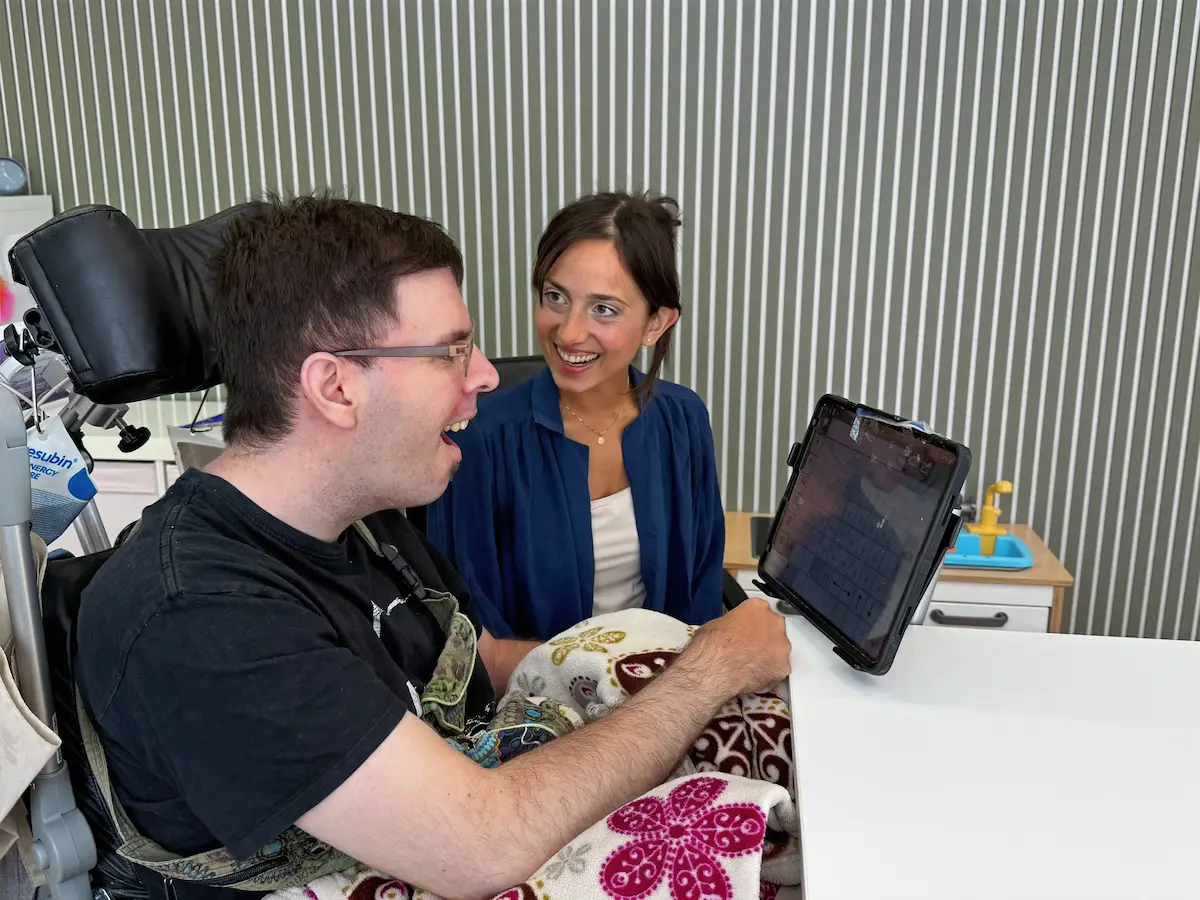
Augmentative and alternative communication (AAC)
In severe aphasia we develop other routes to communication together: pictures, signs and digital communication aids.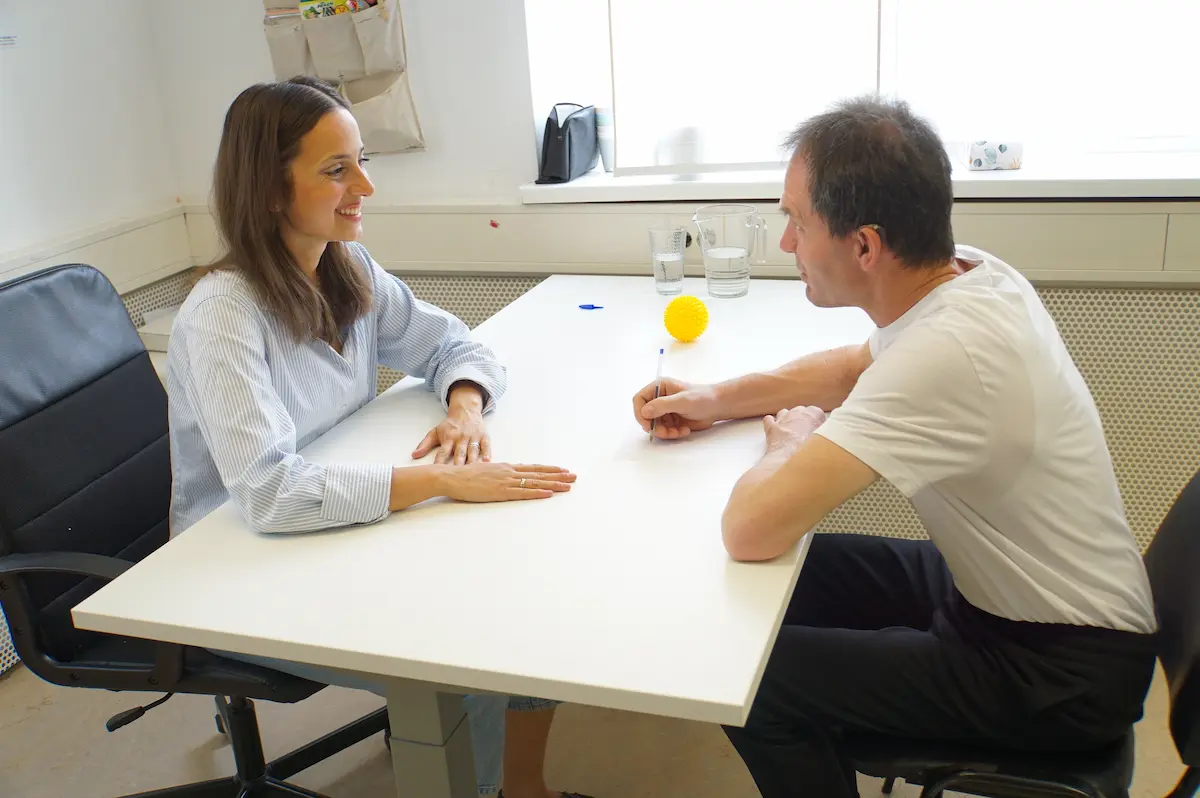
MODAK therapy programmes
MODAK therapy programmes for word finding, grammar and reading comprehension — they complement one-to-one therapy and make structured self-practice possible.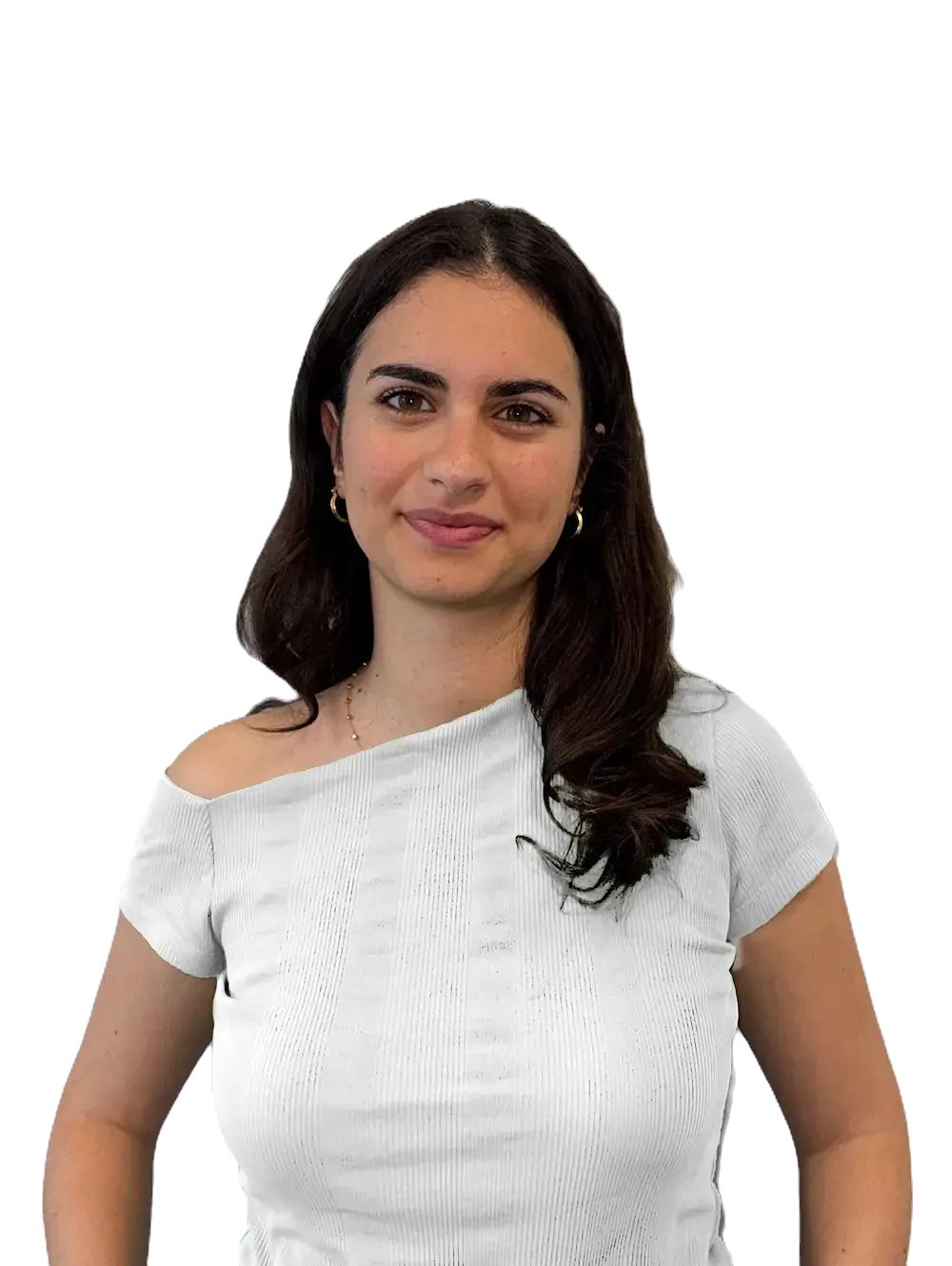

Specialised. Experienced. Here for you.
Sarah Schrott BSc and our specialist speech and language team bring both expertise and deep empathy. We know that aphasia is not only a language disorder — it touches personality, relationships and self-image. That is why we always treat the whole person.
One approach she may use is intensive language therapy: high-dose language training that prompts the brain to reorganise — the method with the strongest evidence for aphasia after stroke.
Ready to find your words again?
Aphasia does not mean language is gone — it is often still there, waiting to become reachable again. With focused therapy and plenty of patience we help you find your words. Come and see us.
Does this sound familiar?
Aphasia affects people differently — from mild word-finding difficulties to severe global aphasia. We have experience with all levels of severity.
If after a stroke you have difficulty finding words, forming sentences or understanding what is said — aphasia therapy is developed for exactly your situation.
If you feel your intelligence is intact but the words will not come — that is typical of aphasia and can be treated with focused language training.
If the stroke was some time ago and your language has hardly improved — come anyway. Progress is possible in the chronic phase too, with intensive therapy.
Getting started is simple
Straightforward, personal, no waiting list.
Free initial consultation
Get to know us and our centre — without obligation, in person or by phone. We answer all your questions.
First appointment & assessment
At your first appointment we take our time: video analysis, movement tests and a therapy plan made for you.
Your personal therapy
Regular sessions, adapted to your progress — with a final assessment and video analysis at the end.
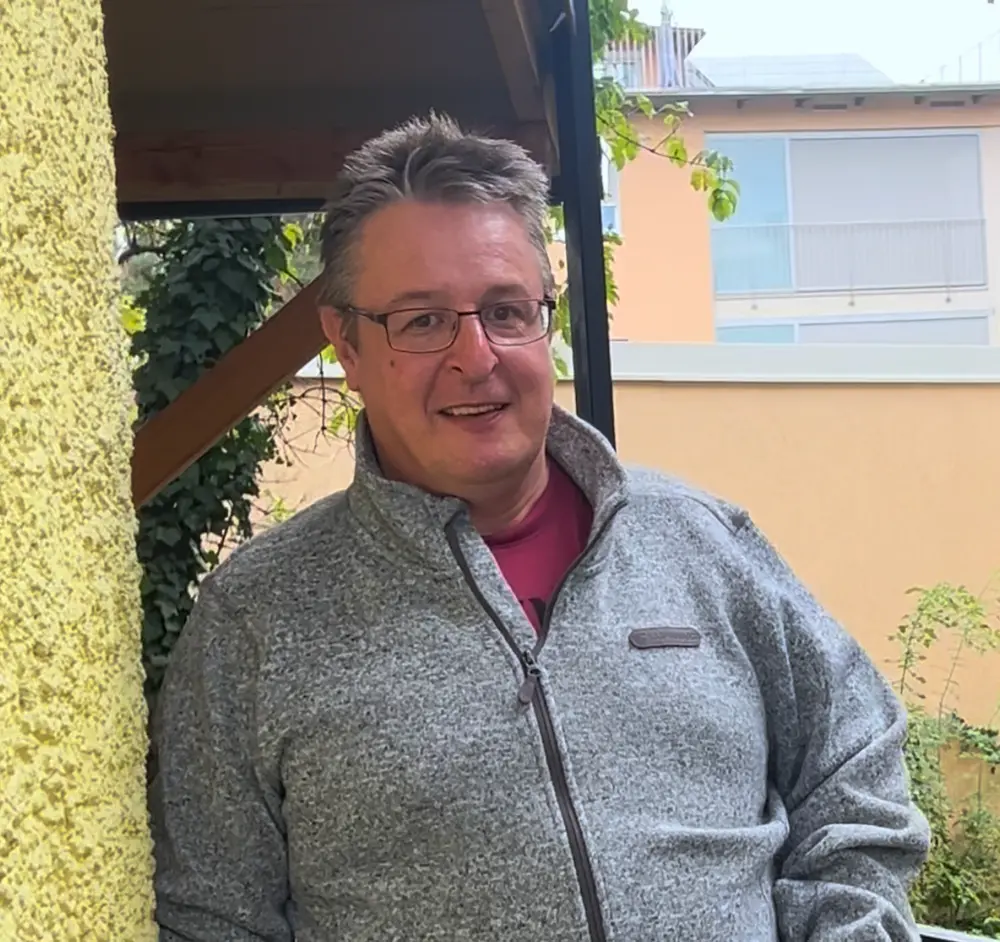
Vor 30 Jahren stellte ein Autounfall Christophs Leben auf den Kopf.
Vier Wochen lag der gebürtige Wiener im Koma, weitere drei Wochen im Tiefschlaf. Danach musste er alles neu lernen: schlucken, sprechen, stehen, gehen. Nachdem er nach dem Unfall Schlucken und Sprechen neu erlernen musste, arbeitete er hier weiter an der Stabilisierung seiner Sprech- und Schluckfunktionen. Das gab ihm zusätzliche Sicherheit im Alltag.
See how we work
Real moments from our therapy sessions — so you know what to expect.
What you want to know
The key answers at a glance — so you arrive well prepared.
What is aphasia and can it improve?▾
What happens in a language therapy session?▾
Does language therapy help even with severe word-finding difficulties?▾
Can family members support the therapy?▾
Your first step starts here
In a free initial consultation we show you what is possible with your condition — in person, by phone or online.